Parliamentary study identifies political divisions, weak commissions as obstacles to transitional justice in Nepal
Read the full story at Onlinekhabar English
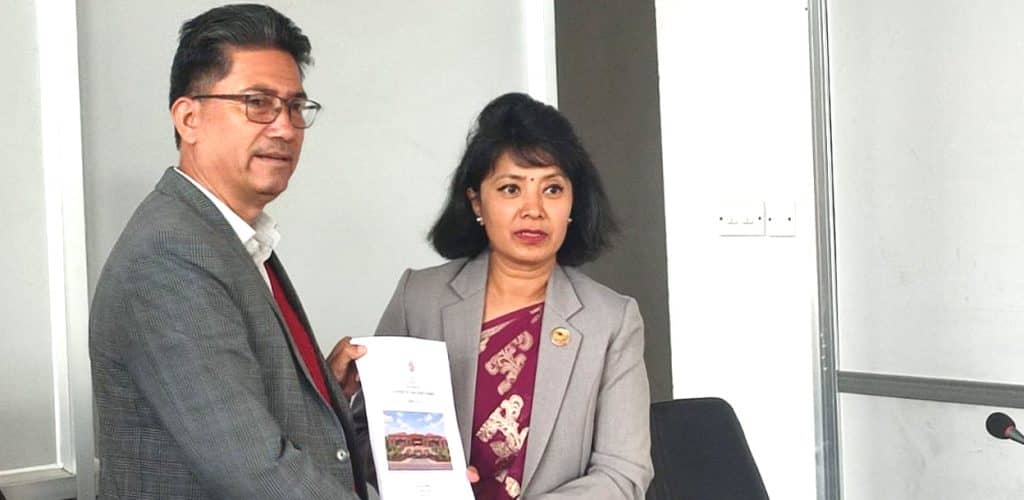
Nearly two decades have passed since the Comprehensive Peace Accord formally ended Nepal’s armed conflict, but the transitional justice process remains unfinished. A parliamentary subcommittee has now identified several obstacles to implementing the law governing transitional justice, ranging from a lack of political consensus to weak institutional autonomy and unmotivated staff at the commissions responsible for the process. The Legislative Management Committee under the National Assembly had formed a subcommittee led by Dr Anjan Shakya to study and assess the implementation of selected laws.
Formed on July 20, the subcommittee selected six laws for review and submitted its report to the parent committee on October 30. The report includes an assessment of the implementation of the transitional justice law and an indicator-based analysis. It identifies five major problems.
First, transitional justice continues to be viewed primarily through the lens of conventional criminal justice. Second, the process requires political initiative and consensus, which remain inadequate.
More politics
- Naresh Bhatt says he dismembered wife’s body after finding her deadKathmandu Post
- Winning the toss is not benefiting the teams in NPL Season 3Kathmandu Post
- As arrest rumours swirl, Congress sees plot to silence ThapaKathmandu Post
- Bagmati Province to build homes for 1,000 homeless familiesKathmandu Post
- Nepal sets up round-the-clock centre to combat online financial scamsKathmandu Post
- चुमनुब्रीमा नुनको मूल्य किलोकै २ सयNepal Khabar