Why a US-funded vaccine trial on babies was cancelled in Guinea-Bissau
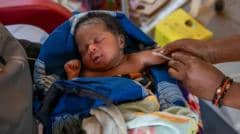
A proposed trial of a hepatitis B vaccine on newborn babies in Guinea-Bissau has been cancelled following accusations that the trial was "unethical" and "neocolonial". The trial was funded by the US, under Health Secretary Robert F Kennedy Jr, who has a long record of expressing scepticism about vaccines.
The proposed trial drew international criticism because it planned to withhold a vaccine recommended by the World Health Organization (WHO) from half of the participating newborns. Some public health experts argued that the proposed trial raised broader questions about whether vulnerable populations in African countries were being asked to take risks that researchers would not accept in wealthier countries.
It was designed to involve 14,000 newborns, with half receiving a hepatitis B vaccine shortly after birth and the other half not being given the shot . Bandim said the trial aimed to investigate whether the hepatitis B vaccine given at birth has broader health effects beyond preventing infection.
More health
- Sharad Pawar Admitted To Mumbai Hospital Hours After Discharge In PuneNDTV
- US man who killed 2 children in house fire among 3 set to be executed on same dayTimes of India
- The NHS is relying more on charities - and that might be creating problems for patientsBBC
- Who gets to vote in the US?Al Jazeera
- John Frieda, Hair-Care Mogul Who Soothed Women’s Curls, Has DiedThe New York Times
- British healthcare worker with Ebola evacuated from DR Congo to UKThe Guardian